The Truth About Mobile Access Control Systems For Businesses
Ben's Lock and Security • September 16, 2026
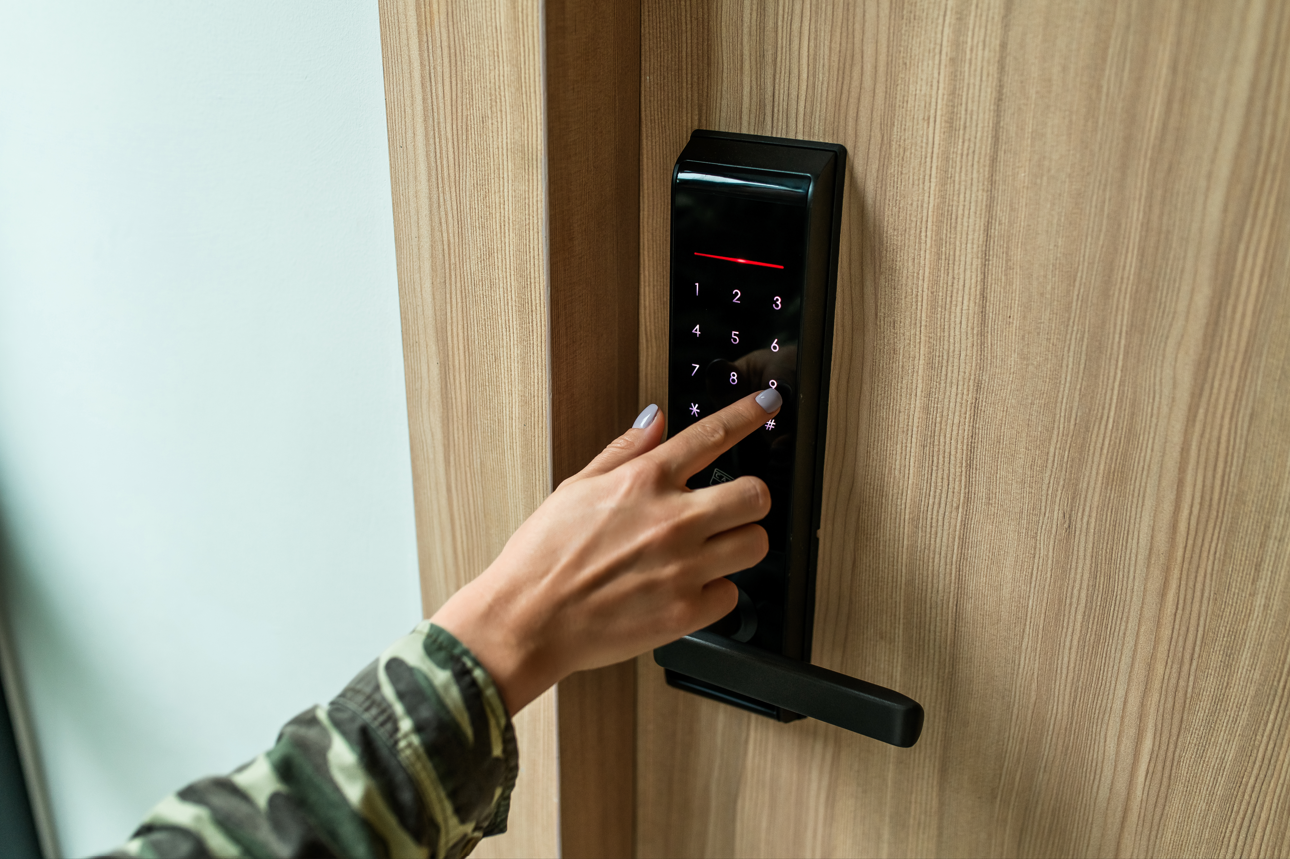
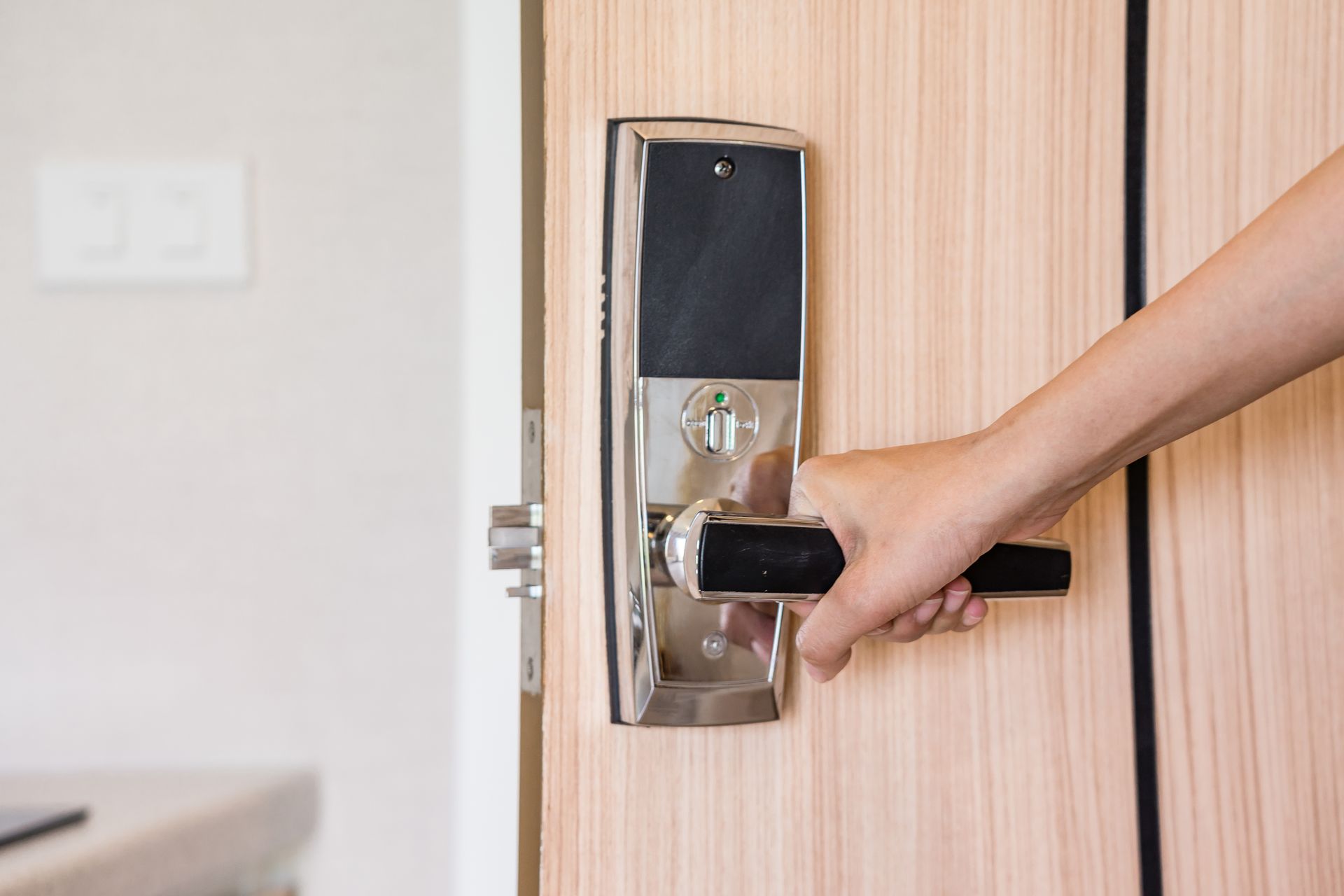
Business owners in St. Jacobs often believe that managing entry points from their smartphone will instantly solve all their security issues. The idea of mobile access control systems sounds perfect until you realize an app cannot force a warped metal door to latch properly. At Bens Lock and Security we want you to know exactly what this technology can and cannot do in a commercial setting. Getting a realistic picture of electronic security prevents costly surprises down the road.
Software upgrades are fantastic for tracking employee movements and removing the need to constantly cut new keys. However, these digital solutions still rely heavily on the physical condition of your commercial doors and frames. Setting clear expectations about network reliability and hardware durability ensures your investment actually protects your property. We believe in being totally transparent about how these modern access systems perform in the real world.
In This Article:
- The App Is Only As Strong As The Door
- Overestimating Wireless Capabilities
- Realistic Timelines For Network Integration
- Frequently Asked Questions
The App Is Only As Strong As The Door
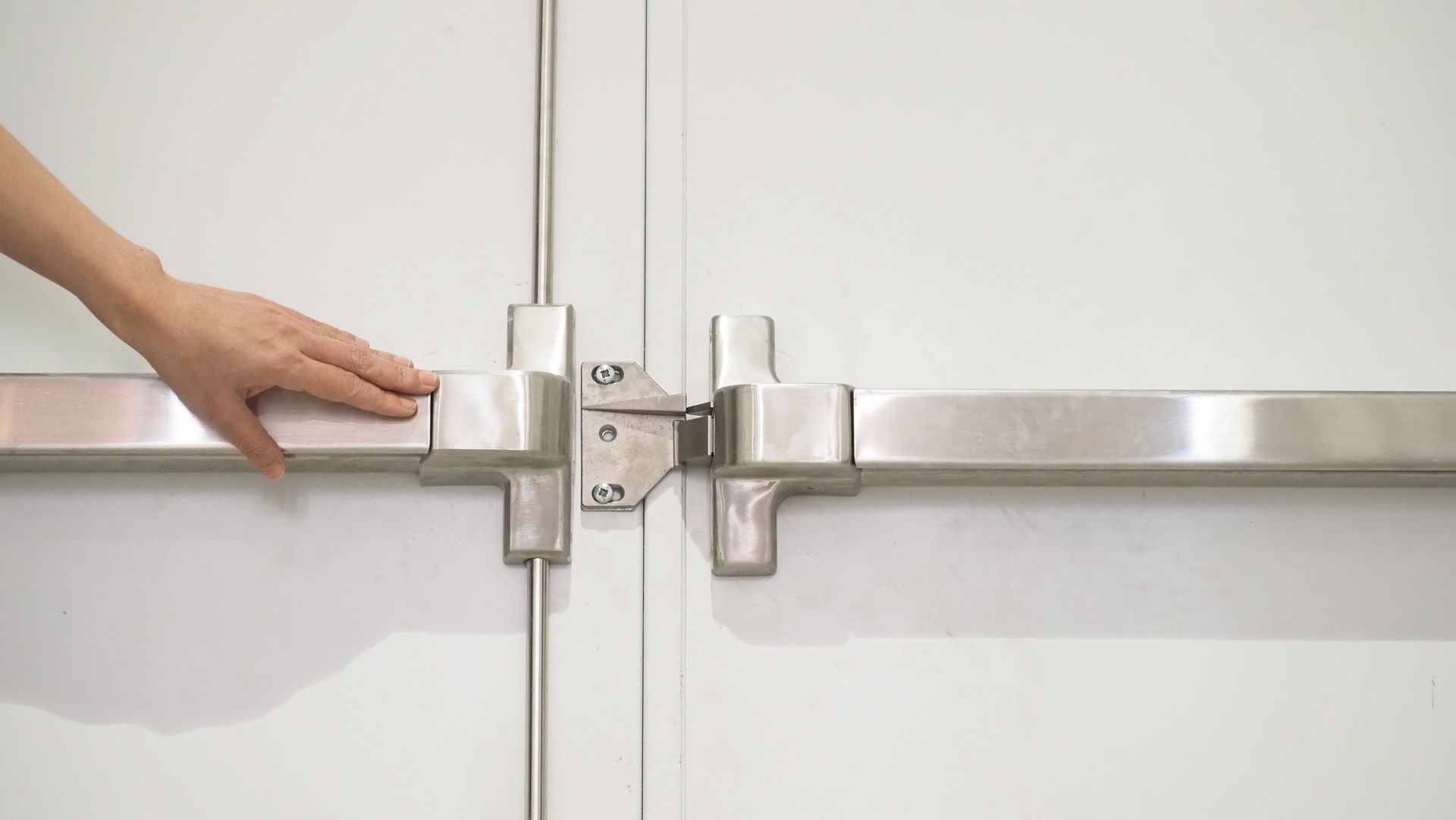
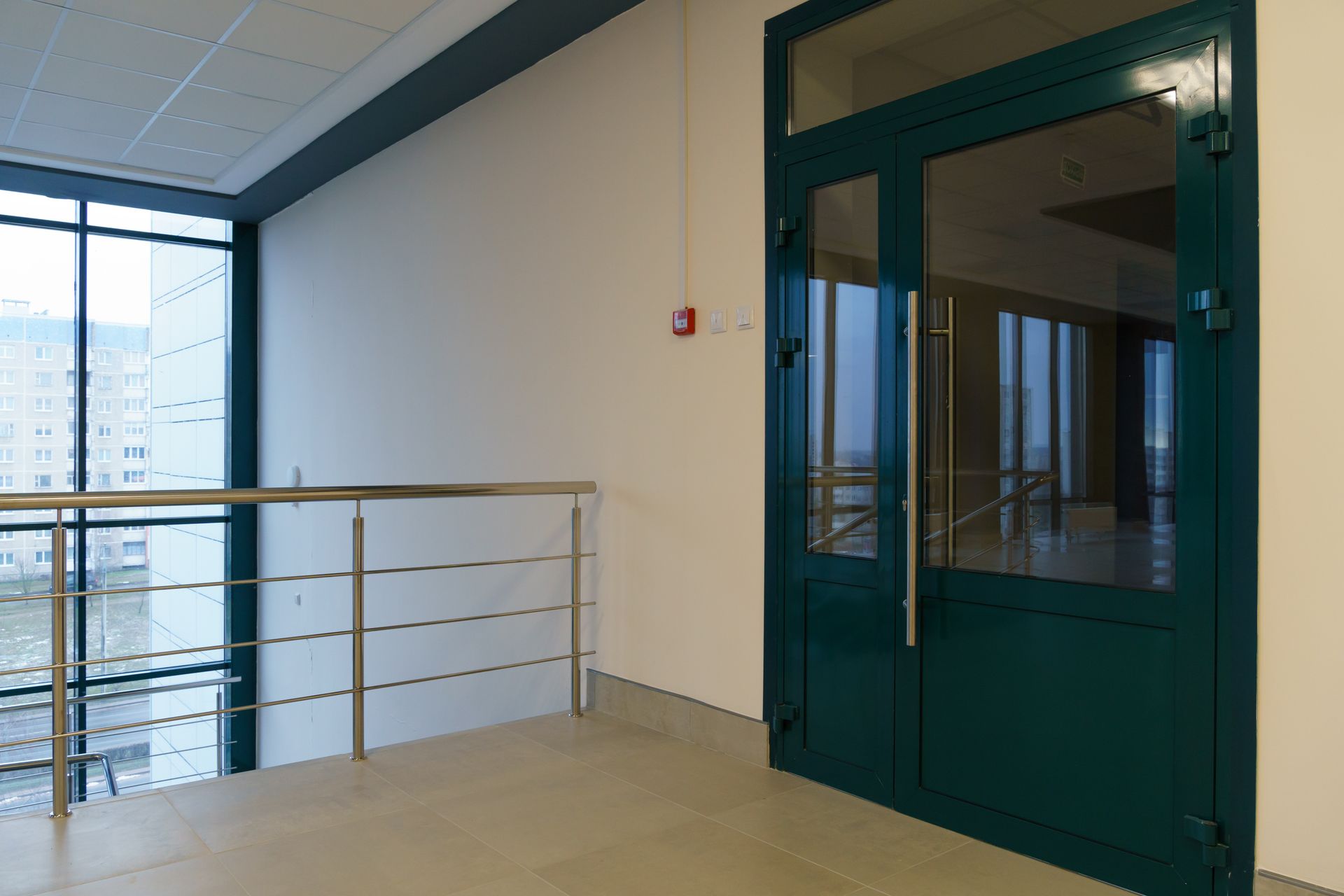
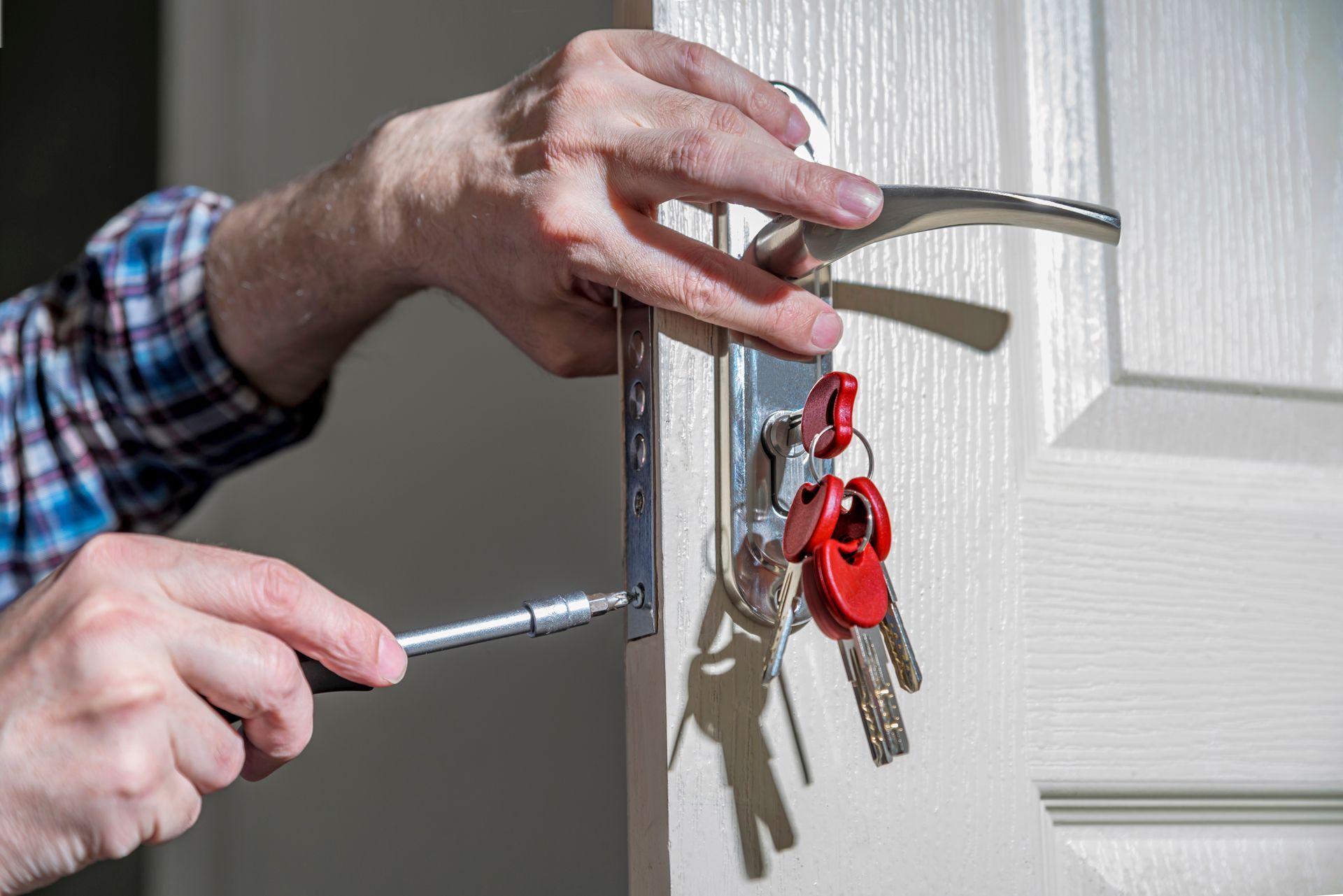
A mobile access control system sends a secure signal to unlock a door, but the actual security still depends on heavy metal components. If your commercial doors have failing hinges or misaligned strike plates, the most advanced Bluetooth reader will not keep intruders out. We frequently see business owners spend thousands on software while ignoring damaged door closers that leave the building physically vulnerable. True security requires pairing smart technology with rock solid mechanical hardware.
→ From a professional standpoint: Your digital security upgrade must include a full physical inspection of every entry point to be truly effective.
Overestimating Wireless Capabilities
One of the biggest misconceptions about wireless access control is that it operates perfectly one hundred percent of the time. Concrete walls, heavy steel racking, and neighboring networks frequently interfere with signal strength in commercial buildings. Expecting an app to open a warehouse door instantly from the other side of the facility often leads to operational frustration. Hardwiring the main access points remains the gold standard for reliable, instantaneous entry.
→ A quick tip to remember: Always plan for physical key overrides on critical exterior doors in case your local network drops offline unexpectedly.
This honest, realistic approach to security planning is a pattern the team at Bens Lock and Security hears regularly.
► Client Experience: Ben came on time and did the work competently explaining the rationale for certain choices clearly. His services were reasonably priced. Would recommend Ben for his fine work at our home! - Richard Dyck
Walking clients through the practical limits of technology ensures they get a system that actually fits their daily operations.
Realistic Timelines For Network Integration
Transitioning from traditional mechanical locks to a cloud based access system rarely happens overnight. Installing electronic locks requires running low voltage wire, mounting readers, and configuring the software to recognize different user groups. There is also a learning curve for your staff as they switch from metal keys to smartphone credentials. Planning for a phased rollout reduces operational downtime and gives everyone a chance to adapt to the new entry procedures.
→ From a professional standpoint: Rushing an access control installation usually results in programming errors that accidentally lock authorized employees out of their own building.
Frequently Asked Questions
Does mobile access control work without Wi-Fi?
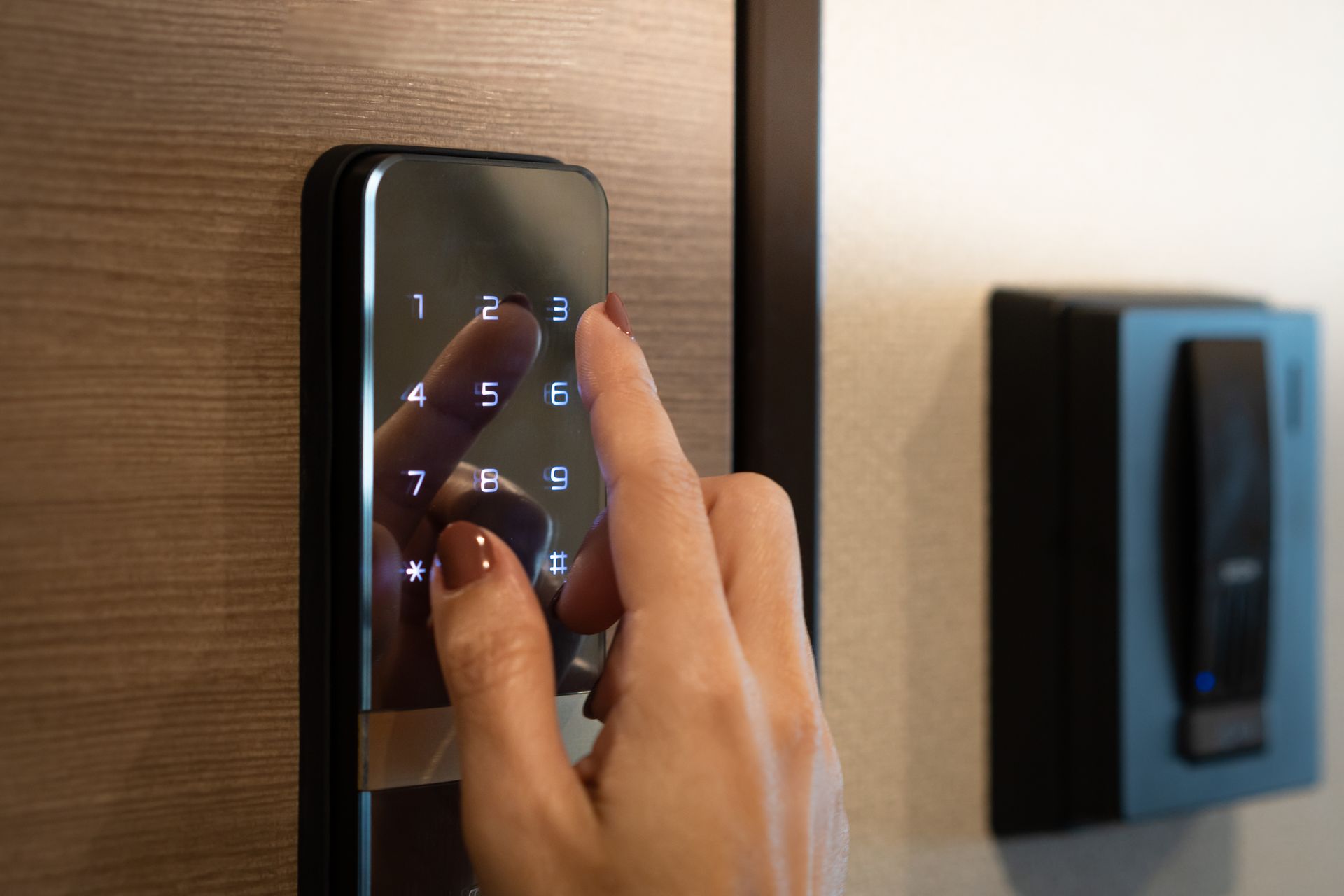
Many modern systems utilize Bluetooth technology which allows a smartphone to communicate directly with the door reader. This means the actual unlocking process does not require an active internet connection at the door itself. However, the system administrator will need network access to update user permissions or view the entry logs remotely.
How secure are Bluetooth door locks for businesses?
Commercial grade Bluetooth readers use advanced encryption to prevent hackers from intercepting the unlock signal. The biggest security risk is usually an employee losing their phone without having a screen lock or biometric password enabled. Setting up strict device management policies is just as important as installing the physical lock hardware.
What happens to wireless access if the power fails?
Professional access control installations include dedicated battery backups that keep the card readers and electronic locks functioning during a power outage. These backups typically provide several hours of operation to ensure staff can exit and enter safely. Once the backup battery depletes, most commercial locks are programmed to either fail secure to keep intruders out or fail safe to allow emergency egress.
Making Smart Choices For Your Commercial Security
Knowing how these systems behave during power losses or network drops allows you to plan your building protocols accurately. Upgrading your St. Jacobs facility should bring you confidence instead of creating new tech headaches for your management team. Reach out to discuss which access solutions make the most practical sense for your specific operational needs.
Share This Blog