Why Commercial Metal Door Frames Rust Out at the Base in KW
Ben's Lock and Security • November 4, 2026
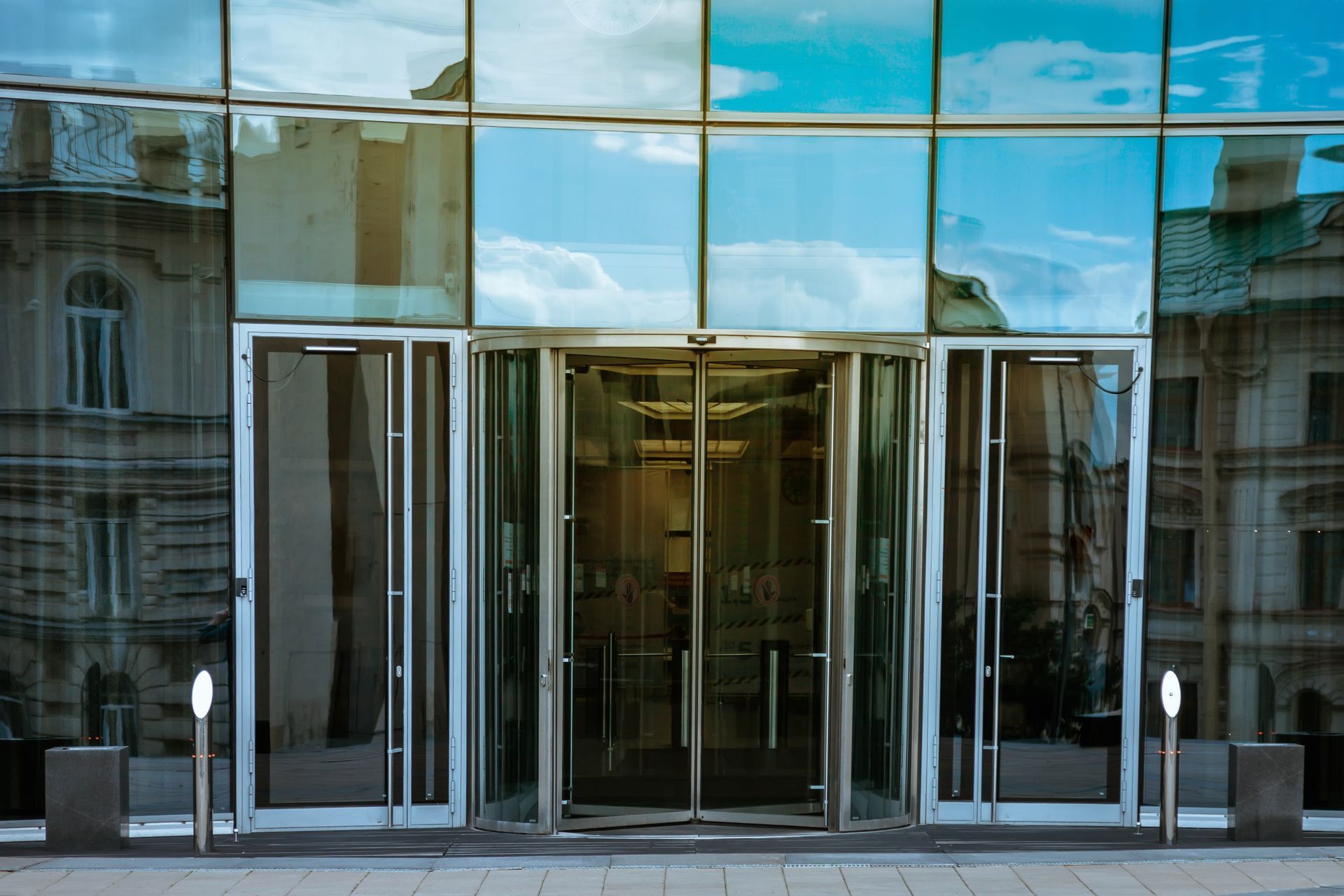
Commercial entryways across Kitchener take a beating from winter weather, heavy foot traffic, and aggressive de-icing salts. At Ben's Lock and Security, we frequently inspect commercial doors where the lock cylinder and latch work perfectly, yet the metal frame near the concrete threshold has completely rotted away from the inside out. This type of damage creates serious security vulnerabilities, compromises fire ratings, and eventually prevents the door from latching or locking correctly.
Understanding why metal door frames degrade near the pavement helps business owners take preventive action before a total frame replacement becomes necessary. Most people assume the rust is simply a cosmetic issue caused by external moisture, but the real damage usually starts beneath the paint and behind the steel jamb. This article breaks down the underlying mechanical and environmental factors that cause frame failure, how salt exposure accelerates the process, and what it takes to repair or replace damaged commercial entrances properly.
What you will find below:
- The hidden mechanics of bottom-frame corrosion in commercial buildings
- Why standard surface painting fails to stop the spread of rust
- How frame rot impacts panic bars, lock alignment, and building security
- Real-world key and lock solutions for commercial property owners
- Professional repair methods vs. complete frame replacement
- Frequently Asked Questions about commercial door frame repair in Kitchener
The Real Cause of Bottom-Frame Corrosion on Commercial Doors
The primary driver of lower jamb deterioration on Kitchener commercial properties is the combination of moisture entrapment and chemical de-icing agents. During Ontario winters, rock salt and liquid calcium chloride are spread liberally across sidewalks and building entrances. As pedestrians walk through the doorway, salt-laden slush accumulates around the base of the frame. Metal door frames are typically hollow steel tubes anchored into the concrete slab. Moisture enters through hairline gaps in the caulking or around the base anchor points, drawing the salt water directly into the hollow interior of the jamb.
Once salt water gets inside an uninsulated or unsealed frame, it creates a constant corrosive cell. The steel begins to oxidize from the inside, hidden from view. By the time bubbling paint, flaking rust, or soft metal spots appear on the exterior surface of the jamb, the interior steel structure and lower mounting anchors have already lost most of their structural integrity. Standard exterior paint touches only the surface and does nothing to halt the chemical reaction happening within the wall cavity.
How Frame Rot Ruins Lock Alignment and Building Security
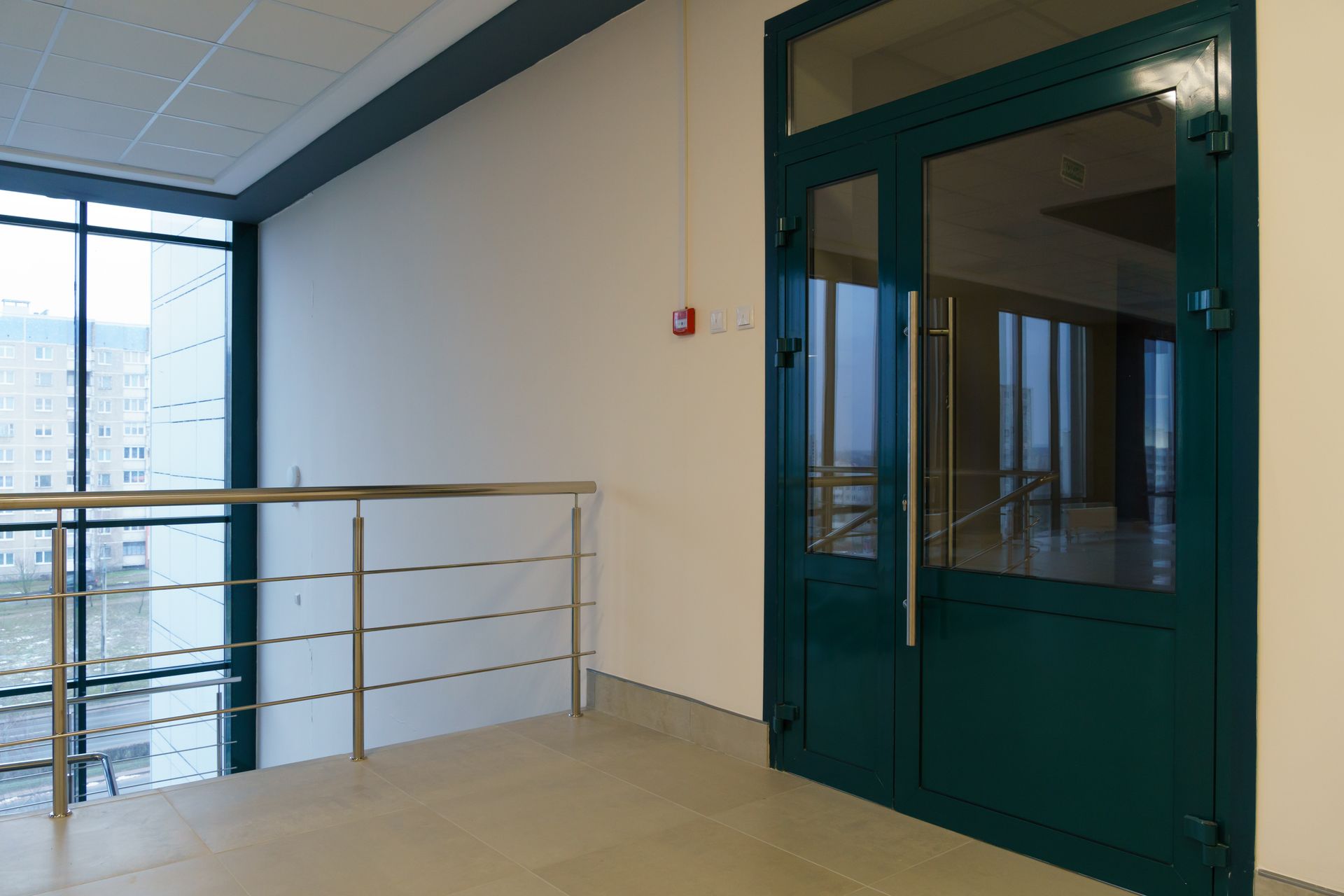
A rusted door frame is far more than an aesthetic headache. As the base of the frame weakens, the weight of a heavy steel commercial door causes the jamb to shift out of plumb. This slight structural sag throws off the alignment between the lock bolt and the strike plate.
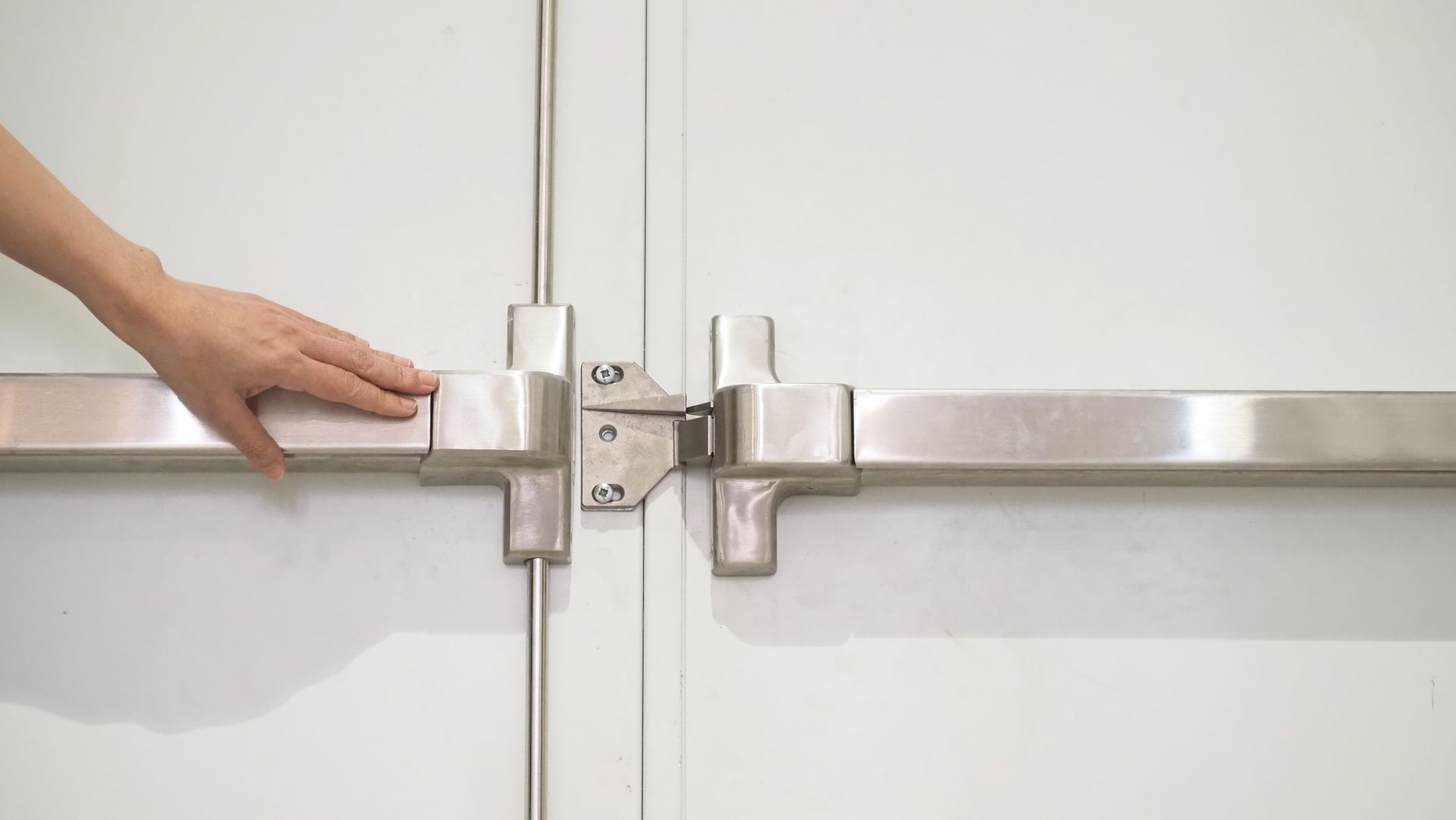
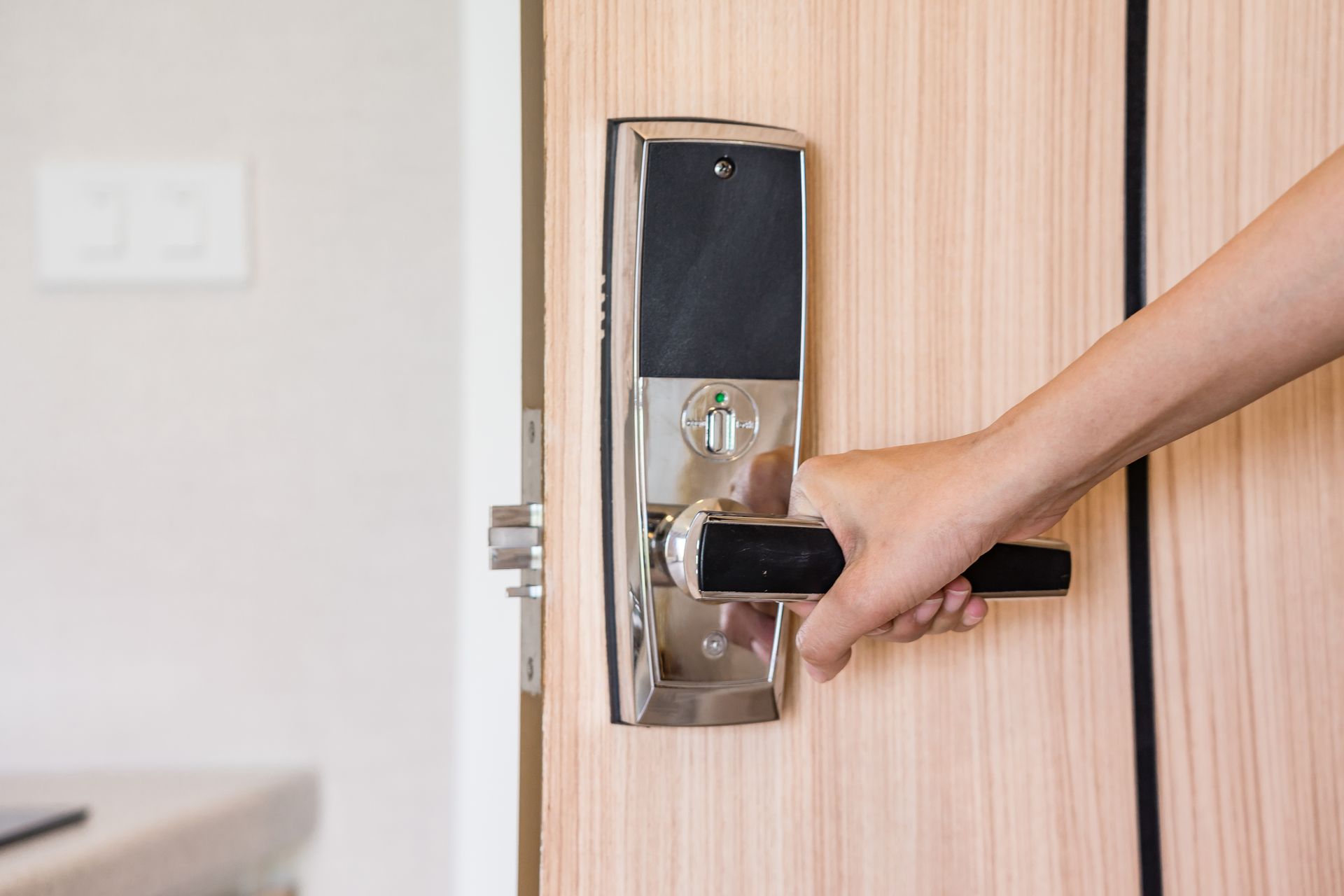
When alignment strays by even a fraction of an inch, latches drag, keypads fail to lock automatically, and door closers can no longer pull the door fully shut. On emergency exits, a misaligned frame can bind panic bars, preventing smooth egress during an emergency or leaving the door unlatched after hours.
We often get called out when hardware stops working, only to find that the lock itself is in great condition, but the structure around it has given way. Having a skilled professional troubleshoot these physical mechanical issues saves property owners time and money.
► Client Experience: Went to Ben’s lock and security today Mike was amazing. I had a snap on tool box key that had broken and when I asked for a warranty replacement from snap on and no surprise they said the key was not available and that I would have to buy new locks not under warranty. Mike was able to make it new keys and save me money in the process. Much appreciated! Thanks mike - John Stanley
That commitment to solving the practical problem rather than just selling unneeded hardware applies directly to commercial door repairs as well.
Frequently Asked Questions
Why is my commercial door frame rusting at the bottom?
Commercial door frames rust at the bottom because de-icing salts and moisture get trapped inside the hollow steel jamb. Water enters through small gaps near the concrete threshold, rusting the frame and its internal anchors from the inside out where paint cannot protect it.
Can a rusted metal door frame be repaired without replacing the whole wall opening?
If the rust is limited to the bottom few inches and the upper anchors remain solid, a technician can perform a frame splice repair by cutting away the ruined section and welding in a heavy-gauge steel patch. If the internal anchors have failed completely, full frame replacement is required.
How does frame rust affect my commercial locks and exit hardware?
As the metal base degrades, the frame sags and distorts. This misaligns the lock bolt with the strike plate, causing keys to stick, electric strikes to fail, and panic bars or automatic door closers to stop latching securely.
Stopping Frame Decay Before Security Is Compromised
Protecting your commercial entrance requires addressing moisture intrusion before the steel structural anchors disintegrate. Regular inspections of lower caulking lines, prompt repair of dragging doors, and applying protective barrier coatings can extend the life of your building entrances significantly. When rust has already taken hold, patching the surface will not restore structural integrity. Contact Ben's Lock and Security to evaluate your commercial door frames and restore full security to your facility.
Share This Blog